

View count:
14558
What is Physical Therapy
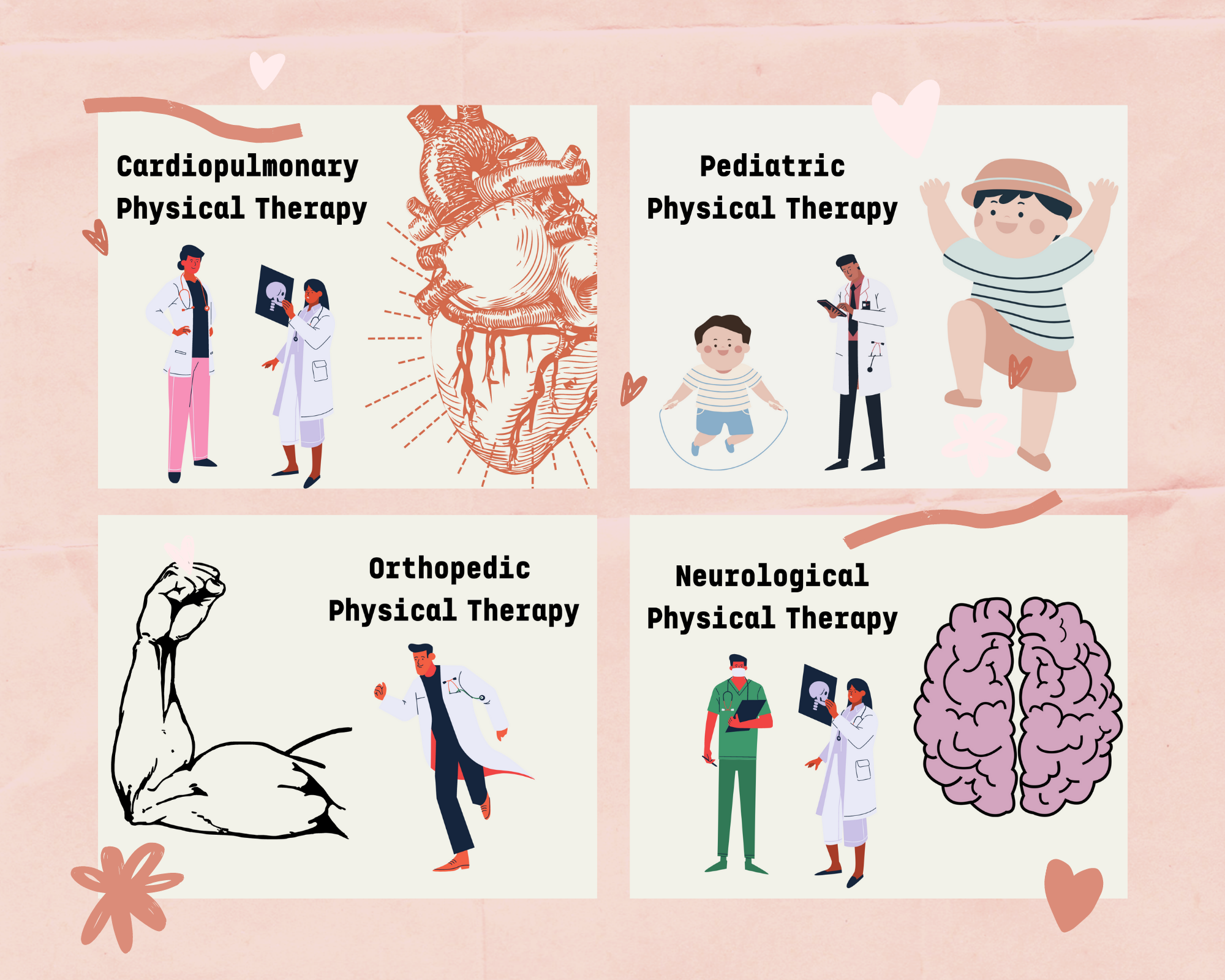
Physical therapy (PT) is a healthcare profession dedicated to optimizing movement, functional ability, and quality of life across the lifespan. Physical therapists evaluate and treat individuals with injury, disease, or developmental conditions through evidence-based, non-invasive interventions. Four primary areas of PT include: musculoskeletal PT, which targets impairments of muscles, bones, and joints; neurological PT, which addresses movement and functional limitations resulting from disorders of the central and peripheral nervous systems; cardiopulmonary PT, which focuses on improving cardiovascular and respiratory function, endurance, and activity tolerance; and pediatric PT, which supports development and functional participation in infants and children with or at risk for developmental delays. Across these practice areas, PT aims to restore and enhance function, prevent disability, promote independence, and facilitate participation in daily and social activities.
|
|
-What is Physical Therapy?-
Physical therapists work with people with a variety of disabilities and their families or caregivers.
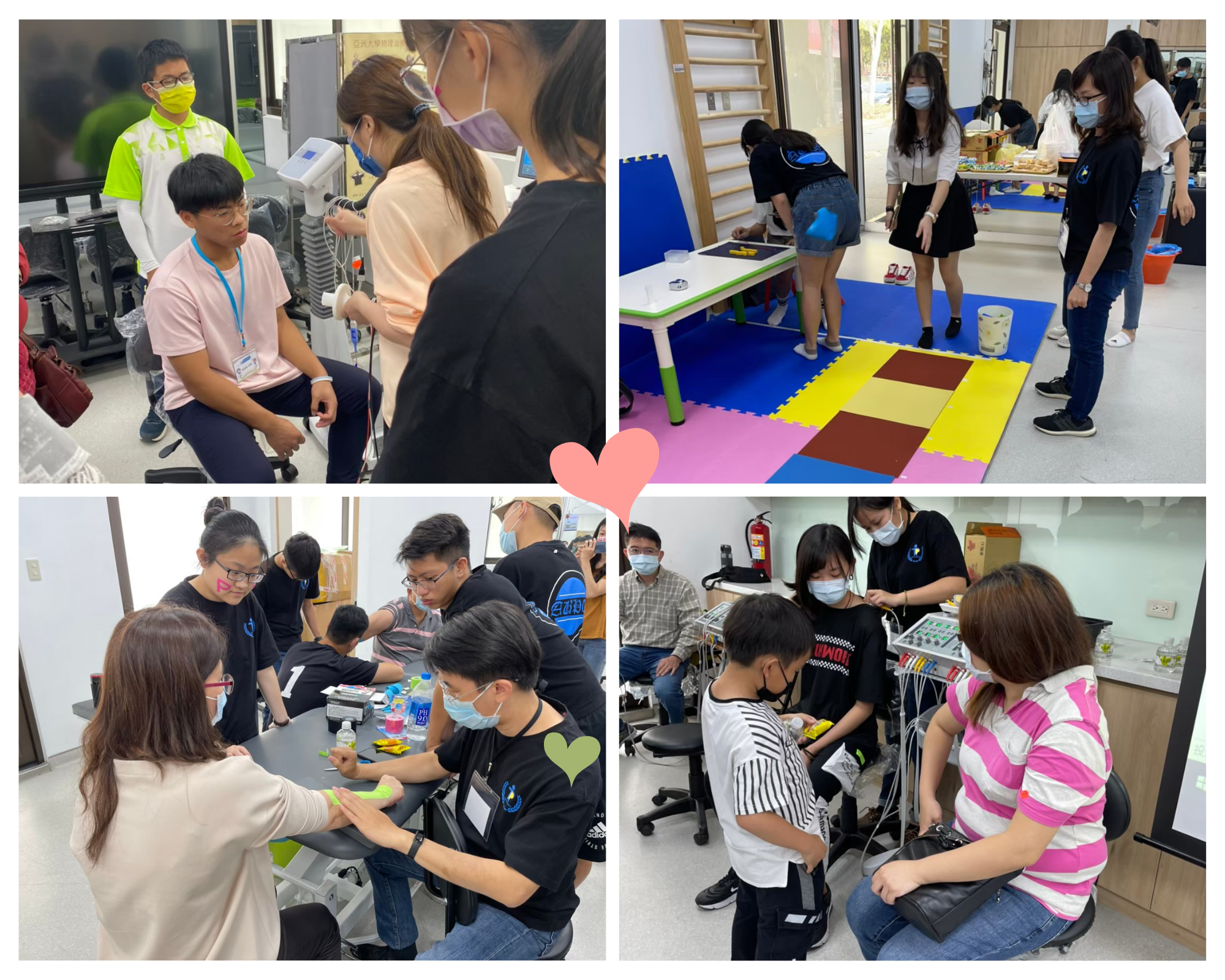
Physical therapy is a health profession that conducts prevention, assessment, identification and treatment through using physical agents, exercise and manual skills to optimize clients’ participation.
The physical agents included sounds (ultrasonic), light (infrared, ultraviolet), water (hydrotherapy), electricity (electrotherapy), cold (ice compress), and heat (hot pack).
In addition to post-injury intervention, the prevention of injury is also an important field for PT to educate populations to take care of their health.
